







Search Results for: Light Roast vs. Dark Roast

What Coffee Beans Should You Choose for Espresso? A Comprehensive Analysis of Blends vs. Single Origins and Light vs. Medium-Dark Roasts
Espresso is both an extraction method and the name of a coffee beverage. It is the type of coffee the public encounters most often and also the one most likely to raise questions. Many beginners are often confused: should espresso be made with a blend or single-origin beans? How should the roast level be chosen? Do espresso beans count as specialty coffee? Is sourness normal? This article addresses these frequently asked questions, starting with Front Street's fresh-roasting philosophy and storage recommendations, then analyzing the pros and cons of blends and single origins one by one, introducing the flavor characteristics of Front Street's four espresso blends, and explaining why espresso coffee mostly uses medium-dark roasts and why light roasts are unsuitable for pressurized extraction. Finally, it answers questions such as whether espresso blends belong to specialty coffee and where sourness comes from. [more…]

The Complete Guide to Buying Espresso Beans: Arabica vs. Robusta, SOE vs. Blends, Roast Levels, and Answers to Common Beginner Questions
Newcomers to coffee, when faced with a dazzling array of coffee beans, are often confused by all kinds of technical terms and don't know where to start. In fact, choosing coffee beans is not complicated—as long as you grasp a few key points, you can find the one that suits you. This article addresses the five questions beginners encounter most often: how to distinguish Arabica from Robusta, how to choose between blended beans and single-origin beans (including SOE), the respective characteristics of dark roasts and light roasts, the necessity of roast dates and resting beans, and whether grinding is recommended. It also draws on specific products from the Front Street Coffee bean list—such as the classic blend, Ethiopia Halo Berry, Brazil Queen's Manor, and Indonesia Golden Mandheling—to provide flavor descriptions and buying advice, helping you take fewer detours in the world of espresso. [more…]
Light Roast vs. Dark Roast in a Moka Pot: Here's the Difference
With the same Bialetti moka pot, swapping in beans of different roast levels will change the acidity, sweetness, body, and aroma in your cup. Light-roasted beans are more likely to bring out fruity acidity and bright aromas, medium-roasted beans strike a better balance between sweetness and body, while dark-roasted beans lean more toward cocoa, nutty, and roasted notes. First look at the roast level, then decide your [more…]
How Does Coffee Roast Level Affect Flavor? Medium vs. Dark Roast Differences Explained and Five Dark Roast Beans Recommended
The flavor profile of coffee is largely determined by the roast level. From light to dark roast, as the beans spend more time in the roaster, acidity gradually diminishes while bitterness and body steadily increase. Understanding the flavor characteristics of light, medium, and dark roasts can help coffee lovers more efficiently identify beans that suit their taste. This article will systematically break down the core flavor differences between medium and dark roast coffee, explain which roast level corresponds to coffee with lower acidity, and compile a list of five currently popular dark roast coffee beans, including several representative products from Front Street Coffee, for drinkers with different preferences to reference. [more…]
Medium Roast vs. Dark Roast Coffee Beans: How to Choose? A Complete Guide to Judging the Freshness of Pour-Over Beans
Faced with a dazzling array of coffee beans, which is really more to your taste—medium roast or dark roast? This article starts with the flavor characteristics of light, medium, and dark roasts to help you quickly narrow down your target based on personal preference. At the same time, we have also put together three practical tips for judging whether pour-over coffee beans are fresh—check the roast date, smell the dry aroma, and observe the blooming and degassing reaction. The article also specifically recommends a number of best-selling bean lists from the Front Street brand that combine quality and value, from sun-dried Huakui to PWN Golden Mandheling, so there is always one to suit your taste buds. [more…]
Kenyan Coffee Flavor Analysis and Pour-Over Parameter Guide: Light vs. Dark Roast Differences and Front Street Brewing Recommendations
Kenyan coffee, with its bright and full-bodied acidity at light roast and its dark-chocolate-like rich, sweet finish at dark roast, has become one of the few origins that shines at both roast levels. Front Street Coffee Kenya beans are relatively hard and well suited to pour-over extraction, but care must be taken to avoid the coffee bed sinking and clogging the drainage holes. This article breaks down in detail, from grinding, water temperature, coffee-to-water ratio and dose to the three-pour technique, how to use a water temperature of 93°C, a 1:16 coffee-to-water ratio and segmented circular pouring to highlight the cherry tomato aroma and dried plum acidity, allowing the coffee's solid body and translucent sweet-tartness to come through fully. [more…]

How does the timing of pouring in the three-pour pour-over method affect flavor? A comparative experimental analysis of light roast vs. medium-dark roast
When using a three-pour method for pour-over coffee, should the third pour wait until the water has fully drained, or should it be added before the water level reaches the bottom? Front Street answers this through two sets of comparative experiments. First, lightly roasted Yirgacheffe Geddid was brewed with continuous and interrupted pouring respectively, and the total time differed by 10 seconds, with slight differences in aroma and acidity, but the overall difference was not significant. Then the test was repeated with medium-dark roasted Papua New Guinea Bird of Paradise, but the interrupted-pour cup showed obvious bitterness. The reason is that medium-dark roasted beans are loose in texture and have a low margin for error, so bitterness-prone compounds are easily over-extracted when the time is prolonged. The article ultimately points out that interrupted pouring is not unworkable; the key is to pair it with corresponding parameters, such as the coarse-grind 46 brewing method. [more…]
Sidamo vs. Yirgacheffe Coffee Beans Comparison: A Full Analysis of Flavor Characteristics, Processing Methods, and Roasting Recommendations
Sidamo and Yirgacheffe both belong to Ethiopia's renowned coffee regions, yet each possesses a distinct flavor personality. This article focuses on Front Street Coffee's sun-dried Sidamo, washed Sidamo, and washed Yirgacheffe, systematically comparing the differences between the two in taste, aroma, and roasting performance. Sidamo features an interweaving of floral notes and earthy tones, along with nutty, cocoa, and bright lemony acidity; Yirgacheffe is known for its orange fruit aroma and light, mild character, performing differently under light and medium-dark roasts. The article also provides targeted roasting times, bean drop points, and hand-grinder grinding experiences to help coffee enthusiasts make more precise choices and brewing decisions. [more…]
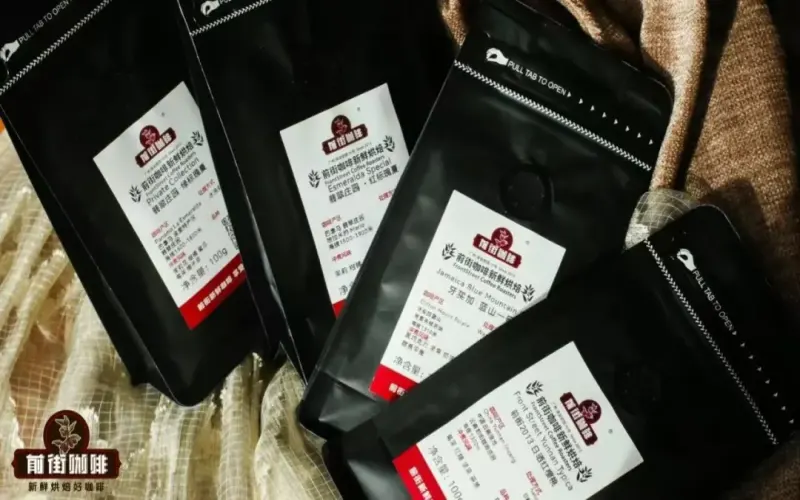
How Is Coffee Bean Roast Level Determined? Differences in Bean Selection for Espresso vs. Pour-Over and an Analysis of Huakui Roasting
How dark should a coffee bean be roasted? How light is light, and how dark is dark? This is a question Front Street Coffee is often asked. In fact, there is no absolute standard for roast level—the core lies in what flavors the roaster wants to present and which characteristics to highlight. This article draws on Front Street Coffee's practical experience: it first explains how roast level affects the coffee's body, density, and acidity-bitterness mouthfeel; then explains how light, medium, and dark roasts are judged at the actual drop point; and finally, using specific beans such as espresso, pour-over, Mandheling, and Geisha, it sorts out Front Street Coffee's complete approach to determining roast level, while retaining product information such as the Huakui medium-roast espresso option. [more…]
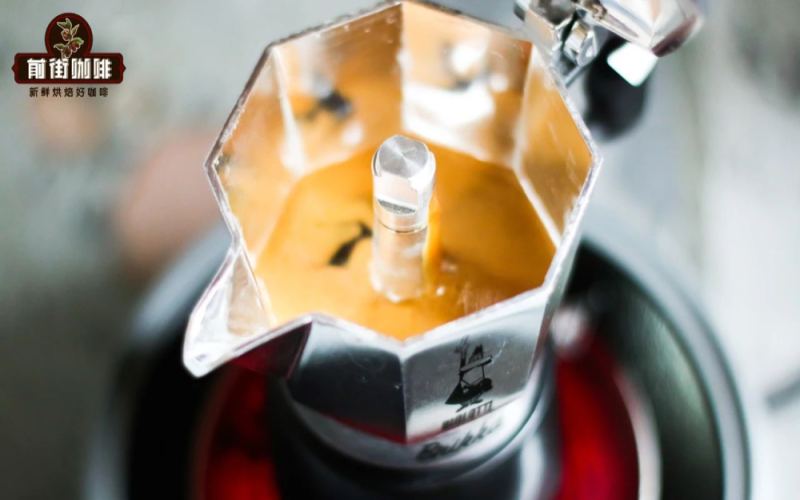
Moka Pot vs. Espresso Machine Bean Selection Guide: Light Roast or Dark Roast? Front Street Practical Blends and SOE Recommendations
For those who are just getting into moka pots or espresso machines, choosing the right coffee beans is often the key to determining the quality of the final cup. The extraction method, grind size, and bean freshness all affect the final flavor, but the quality of the beans and the roasting direction are the foundation. Starting from the principles of crema formation and freshness requirements, this article systematically sorts out the logic for choosing espresso blends and SOE single origins, and offers a number of Front Street Coffee recommendations that are affordable, rich, and delicious, helping you consistently make a satisfying cup of espresso at home. [more…]
Yirgacheffe vs Sidamo Coffee Comparison: Flavor and Mouthfeel Differences, Notable Estates, and Origin Tracing
Yirgacheffe and Sidamo both belong to Ethiopia's specialty coffee landscape, yet due to differences in regional terroir and processing methods, they present distinct flavor profiles, each with its own merits. This article begins with tracing their origins, outlining Yirgacheffe's unique floral and fruity aromas, citrusy acidity, and clean aftertaste, while comparing the flavor trajectory of Sidamo coffee. It also explains how different roast levels affect flavor expression, and offers brewing and roasting recommendations for Front Street Coffee's Yirgacheffe under light and medium-dark roasts, helping coffee enthusiasts more clearly understand the core differences and key purchasing points of these two African washed beans. [more…]
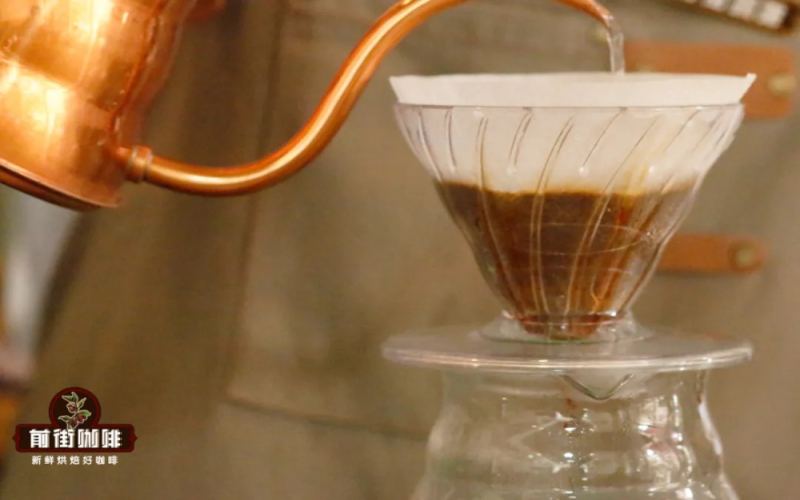
How to Choose Non-Bitter Coffee Beans for Pour-Over and Espresso? Light vs. Medium Roast Flavor Differences and Front Street Coffee Bean Recommendations
To enjoy a smooth cup of coffee without bitterness, the key lies in understanding the relationship between extraction principles and roast level. Soluble compounds in coffee dissolve into hot water, with fruity acidity emerging first, sweetness following, and bitterness last. Light-roasted beans retain more chlorogenic acid and small-molecule compounds, with a low degree of caramelization and minimal bitterness generation, making them ideal for highlighting floral notes and citrus or berry qualities. For pour-over beginners, light to medium roasts are the best starting point—for example, Front Street Coffee's washed Gudingding and Front Street Coffee's natural Huakui. The former has bright acidity and a delicate finish, while the latter offers full fruity aroma and a rich mouthfeel. If you use an espresso machine at home, pressurized extraction tends to amplify flaws, so you should choose medium-roast espresso beans, such as Front Street Coffee's Strawberry Candy Espresso, which has dense crema and a sweet-and-sour profile like strawberry gummy candy. [more…]
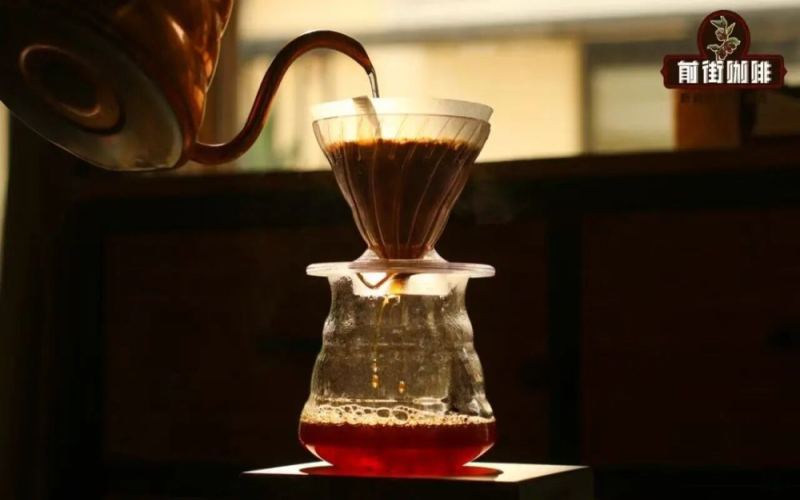
French Press vs Pour-Over Coffee: Analyzing the Differences Between Immersion Brewing and Which Roast Suits It—Dark or Light
The French press is easy to operate and is a beginner-friendly choice, but it differs fundamentally from pour-over coffee in its extraction principle. The French press relies on a metal filter and immersion to release coffee substances, producing a rich, full-bodied cup that is better suited to medium or darker roasts. This article reviews the French press's structural characteristics, suitable bean types, and the complete brewing steps, and explains why light-roasted beans struggle to reveal their layers in this device. Drawing on Front Street Coffee's bean selection recommendations, it provides specific parameters such as grind size, water temperature, and coffee-to-water ratio to help readers master a method for consistently producing a good cup of coffee with the French press. [more…]
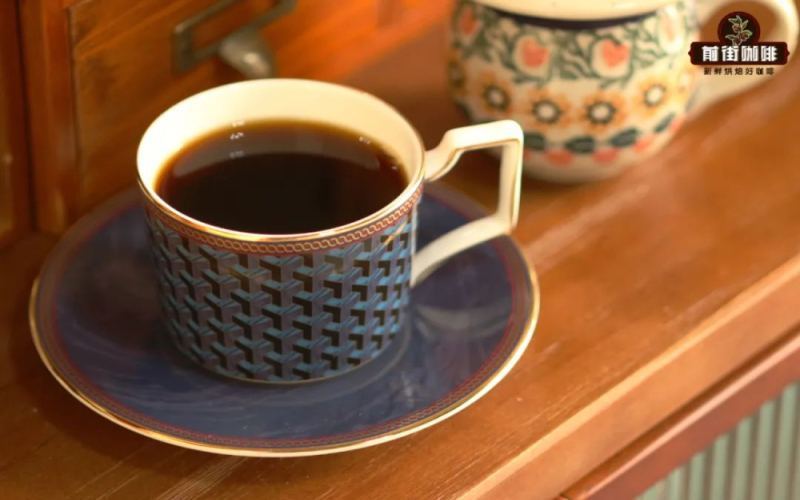
Analysis of the Aroma and Rich Flavor of Dark Roast Coffee Beans: Blue Mountain vs. Mandheling and Front Street Golden Mandheling Brewing Guide
Many people's earliest memory of black coffee is often a cup of strong, bitter dark roast. Behind this bitterness lies not only the push of era memories and the need for alertness, but also a complex aroma woven from nuts, caramel, cream, and spices. Dark roast coffee is known for its rich body, bittersweet balance, and long-lasting sweet aftertaste, with Blue Mountain and Mandheling standing out as classic representatives. Front Street Coffee will guide you through the unique charm of dark roast coffee, and using Golden Mandheling as an example, share how to brew out the caramel sweetness and solid, full body of dark roast beans through a KONO dripper, coarse grind, low water temperature, and three-stage pouring—avoiding bitterness and off-flavors while presenting the complete profile of herbs, dark chocolate, and nuts. [more…]
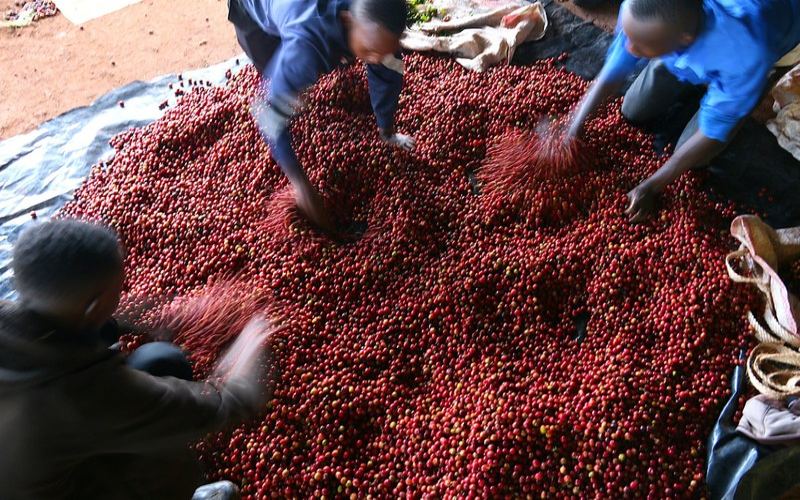
Espresso beans: dark roast vs. medium-dark roast—the difference is hidden in the cup
Even when extracted with the same espresso machine, dark-roasted beans and medium-dark-roasted beans take coffee in two different directions. The former often carries notes of roast, cocoa, and nuts, with a thick, full body in the cup, making it suitable for producing an espresso with a clearly defined presence; the latter retains more of the beans' sweet aroma and acidity, so the espresso is more varied when drunk on its own, and even after milk is added, a clear flavor can still remain. [more…]
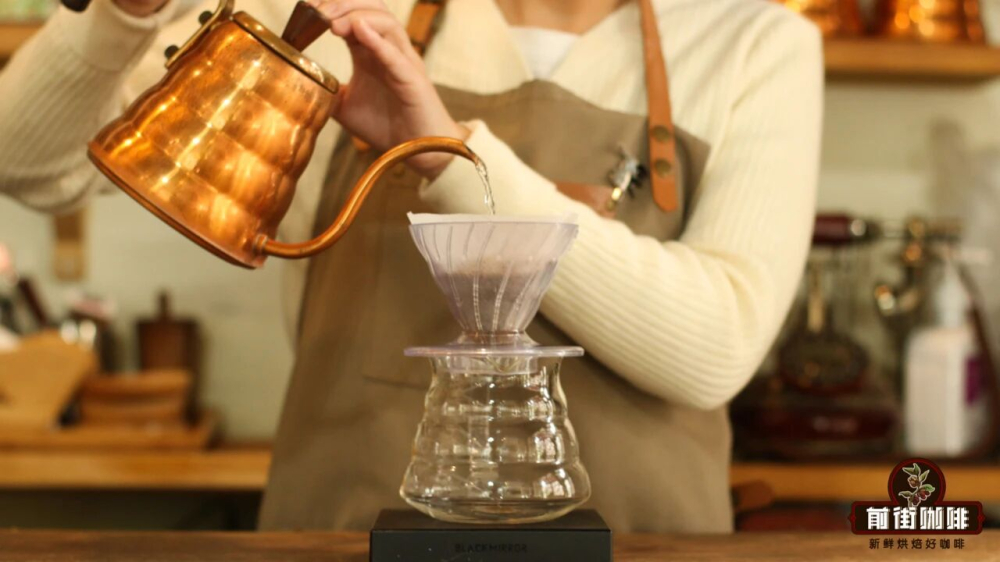
French Press Guide | Is French Press Coffee Suitable for Beginners? French Press vs. Pour-Over: What's the Difference? Comparing the Taste and Mouthfeel of French Press and Pour-Over Coffee
Many friends have complained to Front Street Coffee that "pour-over coffee is so hard to learn" and "I've been brewing for so long and still can't get it right." For those in this situation, Front Street Coffee suggests trying a French press to brew coffee. Compared with pour-over coffee, the biggest feature of brewing with a French press is that it involves far fewer manual actions, reducing a lot of uncertainty [more…]

Analysis of Hot vs. Cold Flavor Differences in Pour-Over Coffee: Which Coffee Beans Are Better for Iced Pour-Over?
Front Street's store bean list is extensive, and many customers face a dilemma after choosing their coffee beans: should they make a hot pour-over or an iced pour-over? What exactly is the difference in flavor between the two? This article starts from Front Street's actual brewing parameters, analyzes the construction logic of iced pour-over, and conducts a hot-versus-cold comparison using four representative coffee beans—Ethiopia TOH Uraga, Papua New Guinea Bird of Paradise, Indonesia Golden Mandheling, and Colombia Flower Moon Night—evaluating them across three dimensions: aroma, flavor, and mouthfeel. The results show that hot pour-over generally has the advantage in aroma richness and layering, while iced pour-over is more popular in summer thanks to its cold-drink appeal. The article also points out that light-roast and anaerobic-process coffee beans are more suitable for making iced pour-over, while medium-dark roast beans are not very suitable. [more…]
Espresso Coffee Bean Buying Guide: Blends vs. Single Origins, Roast Levels, and Answers to Common Questions
Espresso is both a brewing method and the name of a coffee beverage, making it one of the most familiar coffee types among the general public. However, precisely because of its popularity, beginners often have many questions: How do you select and store espresso beans? Which is more suitable for espresso, a blend or a single origin? How does the roast level affect the final cup? Does an espresso blend count as specialty coffee? Is sourness in espresso normal? This article will address these common questions one by one, drawing on Front Street Coffee's store experience and product examples to help coffee lovers build a clear framework for understanding espresso beans, offering practical guidance from bean selection and storage to controlling extraction consistency. [more…]
Espresso Beans vs. Americano Beans: A Guide to Choosing and Medium-Dark Roast Recommendations
Many friends who are just getting into coffee find the relationship between espresso and Americano confusing. In fact, the two are not parallel categories; rather, one contains the other. Americano is simply one of the many drinks built on an espresso base, and latte, cappuccino, flat white, Dirty, and others also belong to the espresso family. This article starts with bean selection—brand and freshness—then analyzes how roast level affects Americano flavor, and offers blended bean recommendations suitable for making Americano, including several classic espresso blends from Front Street Coffee, along with practical ratio references for both hot and iced Americanos. [more…]
Kenya AA vs. Yirgacheffe Flavor Comparison: A Full Analysis of the World's Top Ten Specialty Coffee Origins and Roasting Recommendations
Yirgacheffe and Kenya AA are often discussed together, and their flavors do share certain similarities, but which one suits you better has no absolute answer. Front Street Coffee believes that taste preference is essentially a highly personal experience, shaped by multiple factors such as genetics, upbringing, dietary history, and emotional state. Therefore, rather than following the judgments of so-called connoisseurs, it is better to try coffees from different origins yourself. This article systematically reviews the origin characteristics and recommended roast levels of ten representative specialty coffees from around the world, including Tanzania, Hawaiian Kona, Nicaragua, Sumatra, Sulawesi, Mocha Java, Harar, Yirgacheffe, Guatemala Antigua, and Kenya AA, with Jamaican Blue Mountain included as an honorable mention, to help coffee enthusiasts build a more comprehensive framework for understanding flavor. [more…]